
 By Mike Willson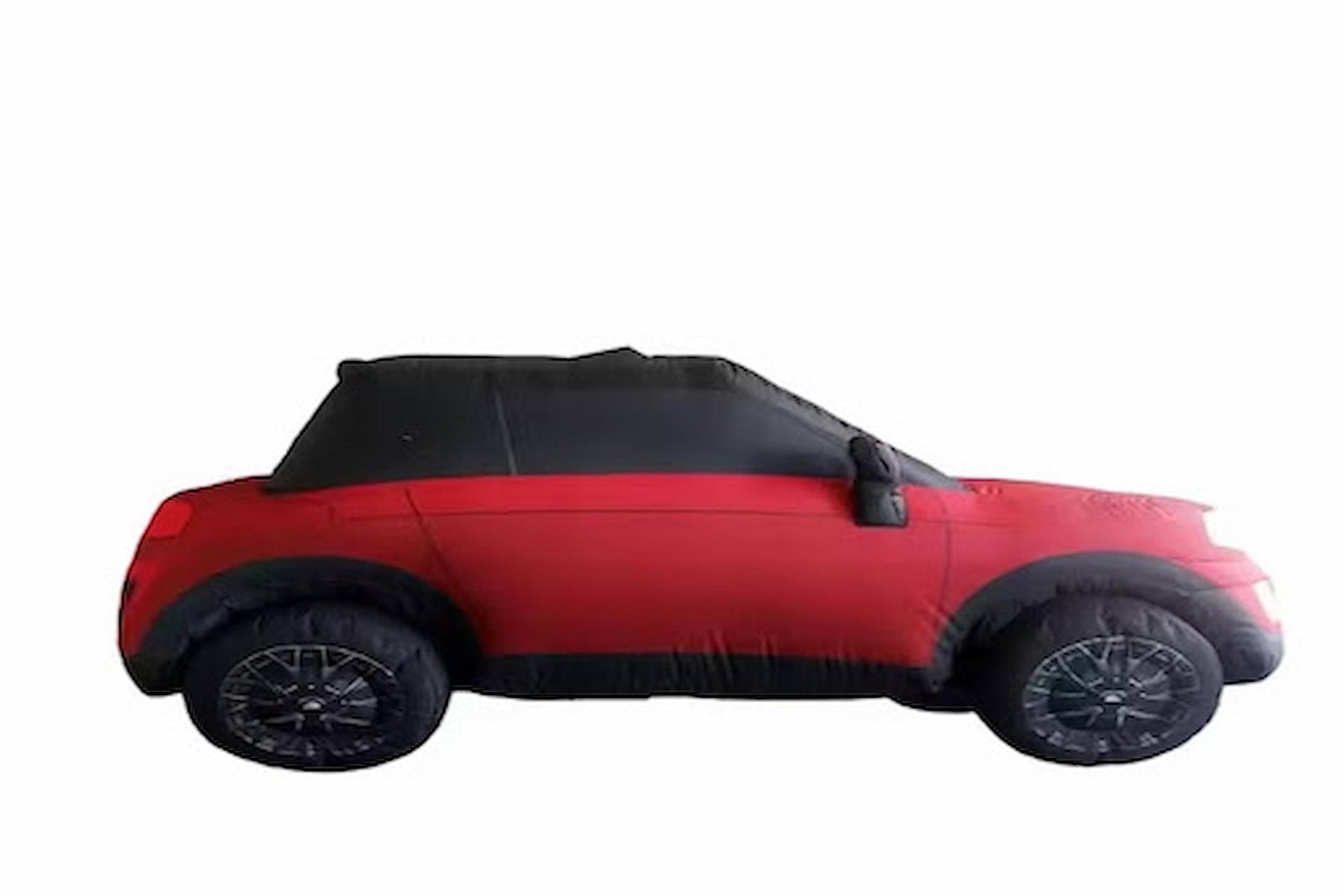
Inflatable advertising delivers instant visibility, but poor design choices can quietly undermine impact. From scale and colour balance to airflow and placement logic, small mistakes reduce effectiveness. We take a close look at the most common design errors in inflatable campaigns and share practical tips to help you avoid them with clarity and confidence.
Inflatable advertising succeeds when design, function, and message work together seamlessly. When they do not, even the most eye-catching format can fail to deliver results. A well-planned inflatable commands attention, communicates a message quickly, and reinforces brand recall in busy environments. However, campaigns often fall short due to avoidable design oversights. Whether you are planning a large promotional structure or a custom inflatable car, understanding these pitfalls early helps protect both visibility and investment. This article examines the most common design mistakes made in inflatable advertising campaigns and provides practical guidance to ensure your inflatable performs as intended across different promotional settings.
1. Prioritising Size Over Proportion
Oversizing an inflatable without considering its proportions often reduces visual clarity. Larger is not always better if the design becomes awkward or difficult to read at a distance.
Poor proportions can distort branding elements and make the inflatable appear unbalanced rather than impressive. The goal is visual harmony, not sheer scale.
Key considerations include:
- Balanced height-to-width ratios
- Clear viewing angles from multiple directions
- Structural stability relative to size
Design decisions should support legibility and impact, not overwhelm the audience or environment.
2. Ignoring Viewing Distance and Angles
Inflatables are rarely viewed up close for long periods. Designs that rely on fine details or small text often fail because they cannot be understood quickly.
A strong inflatable design communicates its message within seconds, even from a distance. If viewers need to stop and study it, the design is not working efficiently.
Avoid cluttered layouts and ensure the primary message is visible from all likely approach points.
3. Using Overcomplicated Colour Schemes
Colour plays a central role in inflatable visibility, yet overly complex palettes can dilute impact. Too many colours compete for attention and reduce brand recognition.
Effective designs rely on contrast and restraint rather than variety.
Best practice includes:
- High contrast between background and key elements
- Consistent brand colour usage
- Limited colour combinations for clarity
A clean colour strategy ensures the inflatable remains readable in varied lighting conditions.
4. Overloading the Design With Text
Inflatable advertising is not suited for detailed messaging. Attempting to include slogans, taglines, contact details, and secondary messages usually leads to visual noise.
Viewers should understand the purpose instantly. Excess text slows comprehension and weakens recall.
Focus on one clear message supported by simple visual cues rather than multiple competing statements.
5. Neglecting Airflow and Shape Logic
Design aesthetics must always respect how inflatables function. Shapes that ignore airflow dynamics can sag, deform, or lose definition once inflated.
This mistake often results in a final appearance that differs from the original concept.
Design checks should include:
- Even air distribution across sections
- Structural support for extended elements
- Shape integrity under continuous inflation
Function-led design ensures the inflatable looks intentional, not compromised.
6. Choosing the Wrong Shape for the Message
Not every concept suits every message. Selecting a shape that distracts from branding rather than reinforcing it can confuse viewers.
The inflatable’s form should complement the campaign objective, not dominate it.
For example, a custom inflatable car should emphasise recognisable contours and branding zones rather than exaggerated features that obscure the message.
7. Poor Logo Placement and Scaling
Logos placed too low, too high, or on curved surfaces often become distorted or partially hidden. Incorrect scaling can also reduce legibility from a distance.
Common logo placement errors include:
- Positioning on seams or folds
- Oversizing relative to the surface
- Ignoring curvature distortion
Logos should sit on the flattest, most visible sections for maximum impact.
8. Failing to Consider Installation Context
Designing an inflatable without accounting for where it will be used is a frequent oversight. Indoor and outdoor environments demand different visual priorities.
Lighting conditions, surrounding structures, and viewing speed all influence how a design performs.
A context-aware design ensures the inflatable remains effective regardless of setting.
9. Overlooking Brand Consistency
Inflatables are an extension of brand identity. Designs that deviate from established brand guidelines weaken recognition and trust.
Fonts, colours, and visual tone should align with other marketing materials.
Consistency reinforces credibility and helps audiences connect the inflatable with the wider campaign instantly.
10. Skipping Design Testing and Review
Rushing from concept to production without thorough review often locks in avoidable errors. Small design issues become costly once manufacturing begins.
A structured review process allows refinements before finalisation.
Design validation should always precede production to ensure clarity, balance, and performance.
Closing Remarks
Successful inflatable advertising relies on thoughtful design rather than novelty alone. Many campaigns underperform not because inflatables lack impact, but because avoidable design mistakes dilute their effectiveness. By focusing on proportion, clarity, airflow logic, and brand alignment, businesses can ensure their inflatables communicate powerfully and consistently. Avoiding cluttered visuals, excessive text, and poor logo placement improves instant recognition and recall. Most importantly, design decisions should always consider how the inflatable will function in real environments. Whether planning a promotional structure or a custom inflatable car, careful design planning transforms inflatables from simple attention-grabbers into reliable branding assets. A disciplined, function-led approach ensures your inflatable campaign delivers visibility, professionalism, and long-term value rather than short-lived novelty.