
 By Alexandra Harper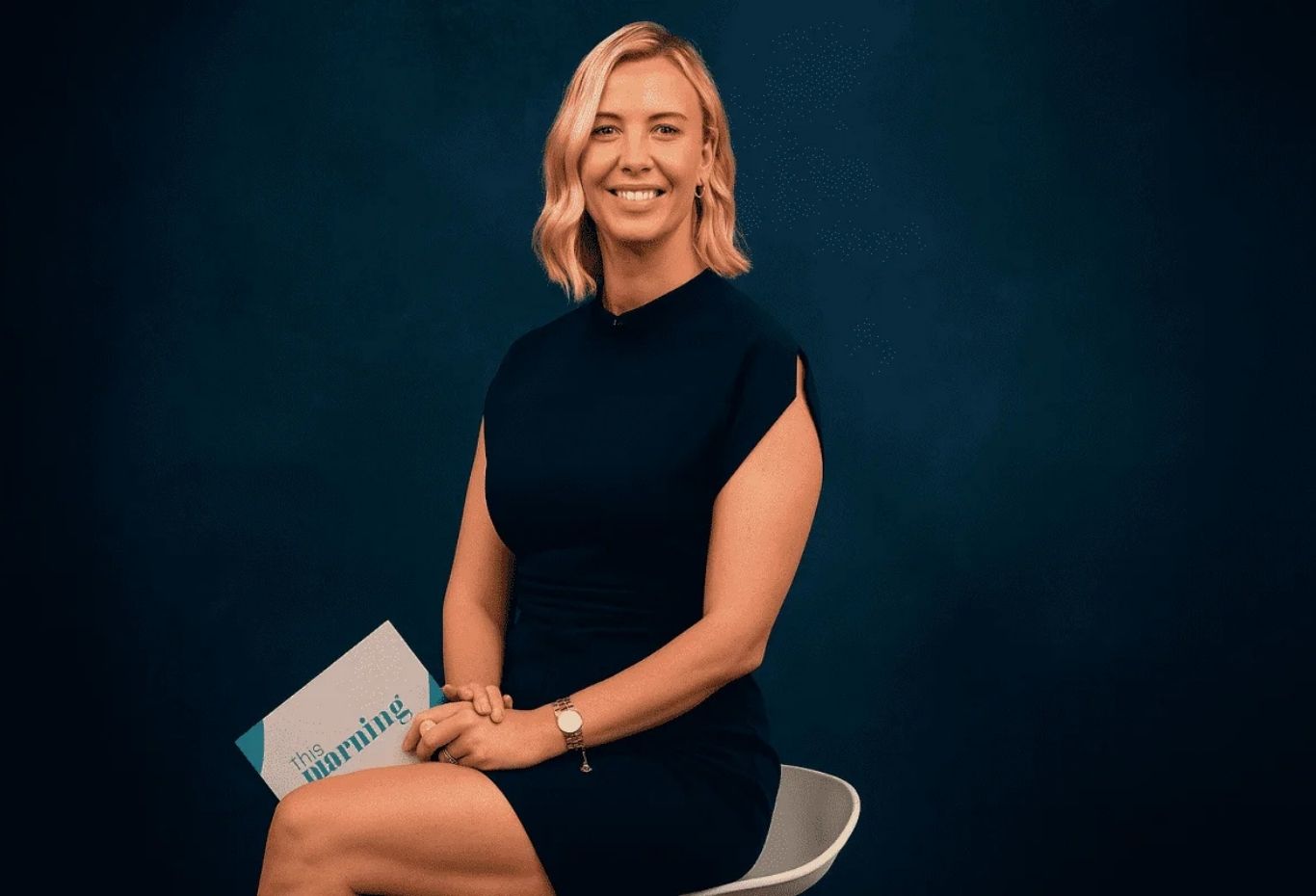
Few names have risen as quickly and decisively as Shebahn Aherne in the dynamic world of sports broadcasting. Aherne has established herself as one of the most recognisable female voices on talkSPORT, one of the largest radio and digital sports networks in the UK, thanks to her unwavering passion for football, sharp opinions, and clever delivery.
Shebahn is more than simply a presenter, though. She embodies a generational shift in football media that combines a genuine connection to both the men’s and women’s games with modern internet proficiency and traditional radio grit.
Her early life, her ascent through Scottish radio, her pivotal moments on talkSPORT, her support of women’s football, and the reasons her name has come to represent progress and personality in British sports broadcasting are all covered in detail in this article.
Early Years and Scottish Origins
Shebahn Aherne was up in Glasgow, Scotland, where playing football is essentially a birthright rather than just a hobby. Shebahn was surrounded by the passion, competition, and energy that characterise Scottish football culture while growing up in a family that was passionate about the game.
While Shebahn made her name in the media, her twin sister Ruesha Littlejohn would go on to play professional football and represent the Republic of Ireland internationally. As a player and a presenter, they make up one of the most intriguing sibling pairs in British football, each contributing differently to the game.
Shebahn’s Glaswegian background gave her a sincerity, attitude, and dialect that people find appealing. In a time of PR filters and media polish, she has that unvarnished Scottish honesty that people intuitively believe.
Entering the Broadcasting Industry: From Clyde 1 to talkSPORT
Every broadcaster begins somewhere, and for Shebahn Aherne, that “somewhere” was Clyde 1, one of the most well-known radio stations in Scotland.
She began working behind the microphone as a traffic reporter and presenter at Clyde 1, where she learned the rhythm of live radio—the timing, tone, and quick-thinking skills that only come from working under pressure. She acquired the broadcasting skills that would eventually establish her as a national voice here.
Her development took time. Aherne took on a variety of on-air and off-air responsibilities while refining her technique for years. Her ability to infuse personality into everyday broadcasts was what made her unique. She possessed a spark that drew listeners in, even during short news or travel parts.
She eventually got the chance to join talkSPORT, the biggest commercial sports radio network in the UK, thanks to her talent and determination. Shebahn accepted the challenge, even though it was a significant step from local Scottish radio to a national platform.
Discovering Her Voice on the National Stage with talkSPORT
Shebahn Aherne immediately established herself as a prominent voice at talkSPORT. She established a reputation for genuine, impartial, and enthusiastic broadcasting thanks to her engaging arguments, assured delivery, and in-depth understanding of both men’s and women’s football.
Early Positions and Acknowledgement
Shebahn started off by offering news updates and sports briefings, which is a typical way for newcomers to the talkSPORT ecosystem to get started. However, she was a perfect fit for more conversational parts because to her innate charisma and football fluency.
She soon started co-hosting and contributing to morning programming, matchday shows, and panel discussions. She was a crowd favourite because of her rapport with senior broadcasters and former players, who frequently balanced humour with astute observation.
Taking Up the Voice of Women’s Football
Shebahn became one of the most prominent supporters of women’s football in the mainstream sports media as its appeal increased, particularly following competitions like the Women’s Euros and World Cup.
She constantly exploited her position to promote women’s football, dispel antiquated beliefs, and emphasise the sport’s professionalism and entertainment value. Her coverage was equal, knowledgeable, and presented with the same zeal as her talks about men’s matches; it wasn’t tokenistic.
The Alan Brazil Debate: A Moment That Went Viral and Defined Her
Shebahn Aherne’s reputation was solidified in the public eye amid a contentious on-air confrontation with seasoned talkSPORT broadcaster Alan Brazil.
Aherne responded to remarks she believed to be condescending and out of date during a conversation regarding fans’ interest in women’s football, particularly the Manchester United Women’s team. The conversation escalated into a lively dispute that swiftly swept throughout social media.
While some headlines presented it as “Shebahn Aherne calls co-host a dinosaur,” the underlying implication was clear: Shebahn wasn’t hesitant to confront stereotypes or defend women’s football’s legitimacy, even against seasoned individuals in her field.
She was commended by the audience for her professionalism, aggressiveness, and poise—a combination that showed her integrity as well as her communication abilities. It was about advocating for respect and representation rather than confrontation.
That moment represented a turning point, not just for Shebahn personally but for the perception of women’s football inside mainstream sports radio. It demonstrated that women’s voices were driving the conversation rather than being its guests.
TalkSPORT Women’s Football and New Formats: The Kick Back
Shebahn co-hosts and creates content for talkSPORT’s premier women’s football program, “The Kick Back,” in addition to her primary radio role.
Players and experts join in for heated discussions as the show combines humour, analysis, and open locker-room atmosphere. Her fellow host? Ruesha Littlejohn, her twin sister, is a professional football player with first-hand player experience.
The two have a contagious dynamic. Shebahn offers broadcasting polish and fan-level curiosity, while Ruesha offers an on-field viewpoint. As a result, the presentation is both educational and entertaining, making it the ideal starting point for new fans learning about the women’s game.
Together, they have created a platform that connects the worlds of football media and player experience. And it’s working—clips from The Kick Back frequently go viral on social media, reaching younger, more varied audiences for talkSPORT.
Women’s Football’s Ascent, Advocacy, and Representation
Shebahn Aherne is one of the few media personalities who has done more to normalise coverage of women’s football on mainstream radio.
In Britain, women’s football was neglected and underappreciated for many years. But because to the Lionesses’ success and the expansion of the Women’s Super League, the sport’s visibility skyrocketed, and Aherne emerged as one of its most reliable voices.
She handles the subject as a football writer who truly loves the game, not as an activist or a marketer. Instead of being aggressive, her tone is inclusive. She analyses and emotionally invests in women’s games just as much as she does in Premier League games.
In addition to radio, she has contributed to football coverage on television and the internet, including pieces about international competitions and conversations about the Champions League. Her work fosters appreciation for women’s football among conventional audiences and demystifies it for casual fans.
Broadcasting Style: Self-assured, captivating, and relatable
The success of Shebahn Aherne is no coincidence. Her broadcasting approach includes three potent elements that appeal to contemporary viewers:
Genuineness
Instead of hearing from a script, listeners get the impression that they are speaking with a genuine person. She is smart and conversational, fusing human humour with professional knowledge.
Equilibrium
Aherne is skilled at striking a balance between fairness and strong opinions. She is able to question her coworkers without escalating confrontations, maintaining polite and interesting conversations.
Being inclusive
She converses with her admirers rather than speaking to them. She fosters a sense of collective excitement whether it’s through Women’s Super League analysis or Premier League updates.
It is precisely this blend of warmth and power that distinguishes contemporary presenters. charm is the currency in this age of social media, and Shebahn’s charm comes through with ease.
Football and Family: The Twin Factor
One of the most charming parts of Shebahn Aherne’s story is the bond between her and her twin sister, Ruesha Littlejohn.
Ruesha has established herself on the pitch, playing for clubs throughout the UK and for Ireland internationally, while Shebahn has developed her career behind the microphone. Their professional lives are entwined due to their mutual passion for football.
The two frequently appear together in podcasts and interviews where they talk about family life, football culture, and the development of women’s football. Their relationship gives Shebahn’s coverage more nuance and authenticity because it is a part of her real experience rather than an abstract study.
Digital Influence and Social Media Presence
Shebahn Aherne is a full-spectrum media presence in addition to being a radio personality.
Her Instagram features travel photos, amusing exchanges with coworkers, and behind-the-scenes looks at the talkSPORT studio. She posts analysis, match comments, and sporadic life updates on X (Twitter) in her trademark light-hearted style.
She has amassed a devoted following of listeners who follow her on all platforms by fusing professionalism and personal charm. It serves as an example of how contemporary broadcasters can maintain their relevance in the digital era by being both personable and knowledgeable.
Influence on the Sector: Not Just a Presenter
The impact of Shebahn Aherne goes beyond her time spent on the radio. She is a symbol of a new era in sports journalism, one that is characterised by sincerity, gender parity, and a readiness to interact openly with fans.
Her ascent is indicative of a larger trend in the industry:
- The presenter rosters of digital sports sources and radio stations are becoming more varied.
- Coverage of women’s football is becoming a necessary, not optional, component of programming.
- Genuine voices—presenters who seem authentic rather than staged—are what audiences want.
All three are embodied by Aherne. She is evidence that inclusivity, curiosity, and individuality—rather than elitism—are the keys to football broadcasting’s future.
Her Career’s Teachings for Future Broadcasters
Shebahn’s career path offers numerous important lessons for aspiring journalists and presenters:
- Begin modestly and expand greatly. She didn’t start out at a national network; instead, she gained experience in local radio and advanced via perseverance.
- Understand your subject. She is credible in every argument because of her in-depth knowledge of football.
- Act genuinely. Relatability and personality transcend manufactured “radio voices.”
- Raise your voice. Standing your ground fosters respect, whether you are supporting women’s football or opposing outmoded beliefs.
- Adjust to the digital age. Because she is conversational and camera-comfortable, her video get viral in the age of short-form content.
These guidelines apply to all media careers in 2025, not just sports broadcasting.
Obstacles She Overcame
Ignoring the challenges faced by women in sports journalism would be naive, particularly in a traditionally male-dominated sector. Shebahn has handled this situation with professionalism, elegance, and perseverance.
Among those difficulties are:
- scepticism from traditionalists who don’t value female commentators or women’s football.
- Social media scrutiny: Public personalities are frequently subjected to unfair criticism on the internet.
- the pressure of representation, where gender dynamics can lead to excessive analysis of every word.
Shebahn has remained composed and consistent in the face of all of this, demonstrating that confidence and excellence are the finest defences against prejudice.
Personality Outside of the Mic
Shebahn Aherne is well-known off-air for her humour, modesty, and team-first attitude. Her sincerity is demonstrated by the fact that coworkers frequently refer to her as “the same person on and off camera.”
She maintains her private life mostly secret, keeping a healthy distance between her public persona and personal identity, but she does occasionally share photos of her vacations, workouts, and social events. This balance is welcome in a culture that is fixated on oversharing.
The Wider Picture: Women in Sports Media Leadership
Shebahn is a member of a growing movement in the UK and abroad where women are changing sports broadcasting. She contributes to a media environment that at last reflects the variety of its audience, with figures like Faye Carruthers, Natalie Sawyer, Kelly Cates, and Alex Scott.
Her employment at talkSPORT represents more than simply professional achievement; it is a component of a societal change in which skill and reliability take precedence over antiquated ideas about who “belongs” in football commentary.
The Future: What Will Shebahn Aherne Do Next?
Shebahn Aherne’s career is still in its early stages given her trajectory.
It’s simple to picture her:
- Providing big tournament coverage on national television,
- Leading online sports documentaries,
- or possibly spearheading a brand-new, multi-platform program that combines humour, culture, and football.
She has what it takes to go beyond radio and become one of the top multimedia sports figures in the UK: experience, relatability, and audience trust.
Shebahn Aherne’s voice will continue to influence how we view and discuss football for years to come, if the past few years are any guide.
Conclusion: The Significance of Shebahn Aherne’s Voice
Shebahn Aherne is both a symbol and a catalyst at a time when sports media is finally growing to reflect the range and vibrancy of its audience.
She is the epitome of the contemporary broadcaster: knowledgeable but approachable, self-assured but sympathetic, funny without sacrificing seriousness. Her ascent from Glasgow radio to national prominence demonstrates what happens when talent defies stereotypes and passion and perseverance come together.
Shebahn’s path is more than just a career success story for the upcoming generation of fans and broadcasters. It serves as an example of bold integrity, equal representation, and genuine communication.
Shebahn Aherne will be seen and heard on every significant football media outlet if her current trend continues. She won’t simply be a talkSPORT name.