
 By Alexandra Harper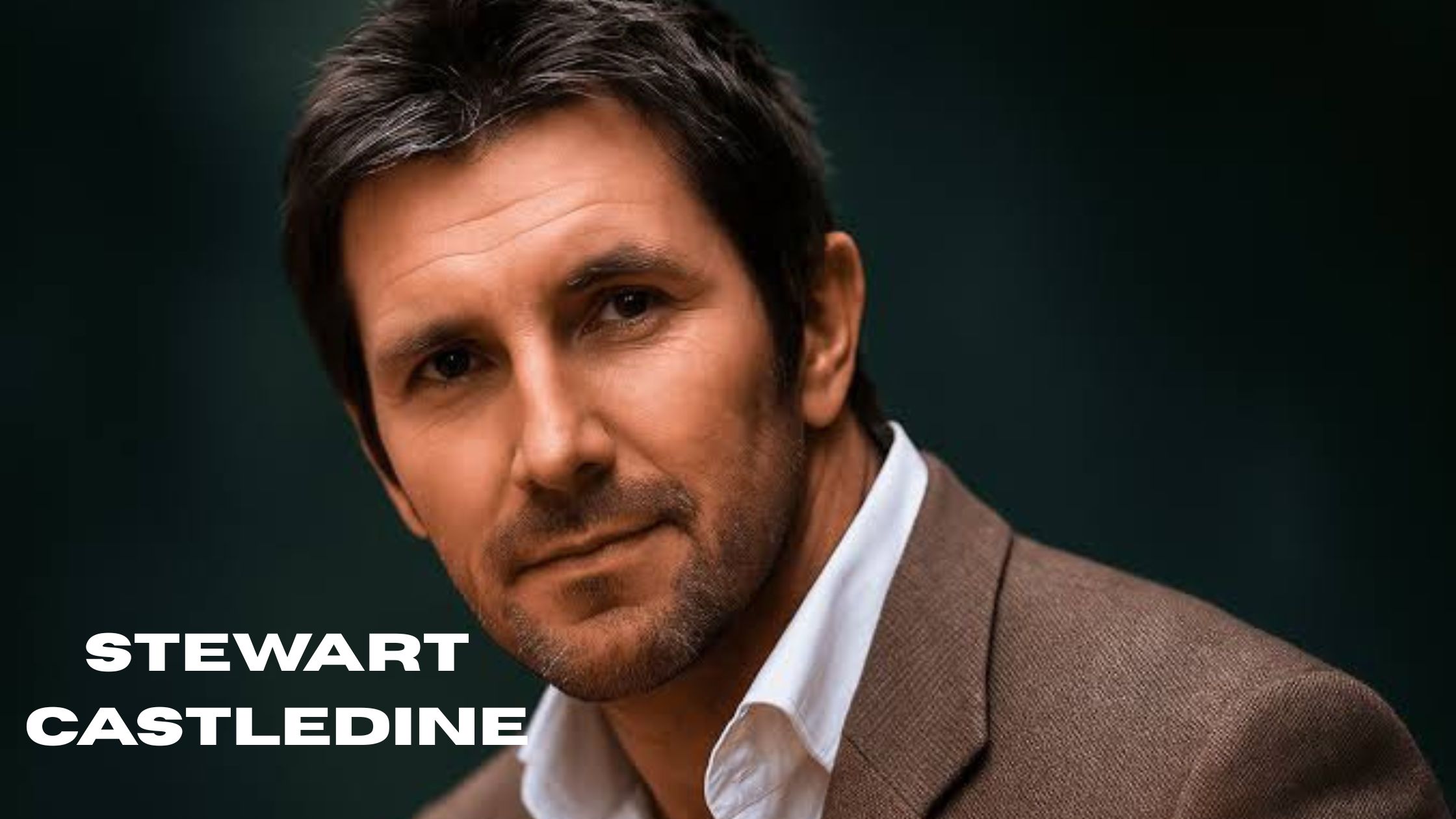
Stewart Castledine is a former English professional footballer who successfully built a second career in television, modelling, and sports business. Best known for his time with Wimbledon FC during the Premier League era, he later became a familiar face on BBC television before moving into senior commercial roles within the sports industry.
Although many people recognise him today as the husband of television presenter Lucy Alexander and the father of actress Kitty Castledine and footballer Leo Castledine, Stewart has established his own impressive career spanning professional sport, broadcasting, and business.
Early Life and Background
Stewart Castledine was born on 22 January 1973 in Wandsworth, London, England. Growing up in south-west London, he developed a passion for football from an early age and attended Teddington School, where he balanced his education with his growing ambitions on the football pitch.
Like many young footballers of his generation, Stewart joined a professional academy while still in his teens. His talent earned him a place in Wimbledon FC’s youth system, one of English football’s most respected development programmes during the late 1980s.
His determination and work ethic eventually led to a professional contract, marking the beginning of a career that would see him compete in England’s top division.
Professional Football Career
Stewart made his senior debut for Wimbledon during the 1991-92 season, just as English football was entering a new era. When the Premier League launched in 1992, Wimbledon became one of its founding clubs, and Stewart was part of a squad renowned for its resilience and competitive spirit.
Playing primarily as a midfielder, he earned league appearances against some of the country’s biggest clubs, including Manchester United, Arsenal, Liverpool, and Chelsea. During his time with Wimbledon, he scored several memorable goals and established himself as a dependable squad player.
Although he never became a regular starter, Stewart remained with the club for almost a decade, contributing whenever called upon during one of the most competitive periods in English football.
A Spell at Wycombe Wanderers
In the mid-1990s, Stewart spent time on loan at Wycombe Wanderers, where he enjoyed an impressive run of form, scoring three goals in just seven league appearances.
Following his departure from Wimbledon in 2000, he returned to Wycombe on a permanent basis, spending the final years of his playing career there before retiring from professional football at the age of 29.
Although injuries and fierce competition limited his playing opportunities, Stewart left the game with valuable experience gained from competing at the highest level of English football.
Life After Football
Retirement from professional sport can be challenging, but Stewart successfully reinvented himself.
Instead of remaining solely within football, he explored several different industries, demonstrating an ability to adapt beyond the pitch. His confidence, communication skills, and on-screen presence opened doors in television, while his athletic image also led to modelling opportunities with well-known fashion brands, including DKNY and Topman.
He even made a brief appearance in the 2006 comedy film The Pink Panther, further expanding his entertainment experience.
Becoming a BBC Television Presenter
One of Stewart Castledine’s most successful career moves came when he transitioned into television presenting.
Following his retirement from football, he presented BBC programmes including Big Strong Boys and Houses Behaving Badly, quickly becoming a recognisable television personality.
His relaxed presenting style, combined with the confidence developed during his sporting career, helped him connect naturally with viewers. While his television career wasn’t as lengthy as some presenters, it demonstrated his versatility and ability to succeed outside professional football.
The move into broadcasting also introduced him to new audiences who may never have watched him play football.
A Career in Sports Business
After working in television, Stewart shifted his focus towards the commercial side of sport.
He held leadership roles with organisations including Soccerex and the sports marketing agency Sports Revolution before becoming Commercial Director for the sports division of talent management company James Grant.
These positions allowed him to combine his knowledge of professional sport with business strategy, athlete management, and commercial partnerships.
His successful transition from athlete to executive highlights a career built on continuous development rather than remaining defined solely by his years as a footballer.
Marriage to Lucy Alexander
Away from football and television, Stewart is widely known for his long-standing marriage to television presenter Lucy Alexander.
The couple have enjoyed one of British television’s most enduring relationships, often appearing together at charity events and family occasions while maintaining a relatively private home life.
Despite both working in the public eye, they have consistently chosen to keep much of their personal life away from media attention, focusing instead on family and their respective careers.
Family Life
Stewart and Lucy are proud parents of two children who have both pursued careers in the entertainment and sporting worlds.
Their daughter, Kitty Castledine, has established herself as an actress, while their son, Leo Castledine, has followed in his father’s footsteps by becoming a professional footballer. Leo has represented England at youth level and has continued to build his own career in English football.
Stewart has frequently spoken about the importance of supporting his children’s ambitions while allowing them to forge their own paths.
Coaching and Continuing Involvement in Football
Although his playing career ended relatively early, Stewart never completely stepped away from football.
He has remained involved in the sport through coaching, including working with AFC Wimbledon Ladies, while continuing to contribute to football through commercial leadership and talent management roles.
His broad experience gives him a unique perspective, having worked as a player, coach, broadcaster, executive, and ambassador for the sport.
Stewart Castledine’s Legacy
Stewart Castledine’s career is a strong example of successfully adapting after professional sport.
Many athletes struggle to define themselves beyond their playing days, but Stewart embraced new opportunities across broadcasting, modelling, business, and football management. His willingness to learn and evolve has enabled him to build several successful careers rather than relying solely on his sporting achievements.
Today, he is respected not only for his contribution to Wimbledon FC during the Premier League era but also for his work in sports business and television.
Conclusion
Stewart Castledine’s journey extends far beyond the football pitch. From representing Wimbledon in England’s top flight to presenting BBC television programmes and leading commercial projects within the sports industry, he has consistently demonstrated versatility throughout his career.
While many now recognise him as part of a well-known television family, his own achievements stand on their own merit. Whether remembered as a Premier League footballer, BBC presenter, sports executive, or devoted family man, Stewart Castledine has built a career defined by resilience, adaptability, and a lasting connection to British sport.