
 By Alexandra Harper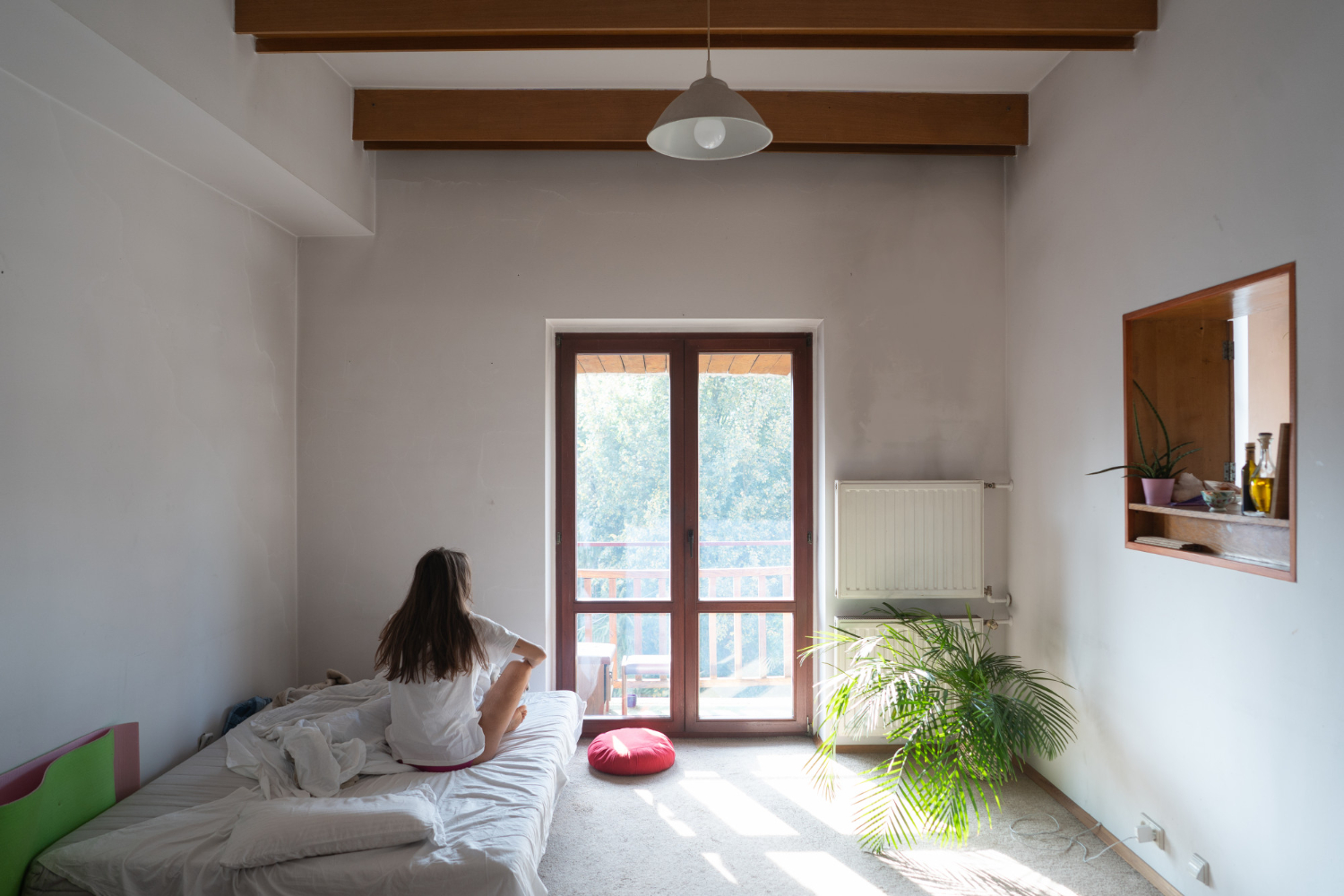
North-facing rooms never get direct sunlight. What comes through the window instead is soft, indirect daylight bounced down from the sky rather than beamed straight from the sun, which is why these rooms read as cooler and flatter than a south or west-facing room at the same time of day. The light barely changes between nine in the morning and four in the afternoon, useful for some tasks and frustrating for a living space that people want to feel bright.
None of this means a north-facing room is stuck feeling dim. The fixes that work focus on the window itself, on how colour and reflective surfaces handle the light that does arrive, and on how the room is laid out to use what daylight there is.
What Actually Changes at the Window Itself
The size of the opening matters less than most people assume, since what determines how much daylight gets into the room is the ratio of glass to frame, and a wide timber or old aluminium frame can eat up a surprising amount of it before any light reaches the glass. Older sash and box frames lose a good portion of the opening to timber, so fitting casement windows at the same aperture can noticeably lift how much light reaches the far side of the room. Steel and aluminium options push this further, since manufacturers have been narrowing sightlines for years, a change visible across recent window and glazing ranges designed around that goal.
Understand What North-Facing Light Actually Does
Compare it with a south-facing window and the difference is obvious within a single afternoon. A south-facing room gets strong, warm light that moves across the space as the sun tracks overhead, throwing shadows that lengthen and shorten through the day. A north-facing window gets none of that movement. What it receives is diffuse skylight, the same even, cool illumination whether it’s overcast or clear, which is why artists have historically preferred north-facing studios.
Colour and Surfaces Do the Rest of the Work
Paint colour changes how any given amount of light gets reflected back into a room, and north light exposes cool undertones that direct sun never shows. Pure white can read as flat and slightly grey under north light, so warmer whites and neutrals with a hint of yellow, pink or cream tend to hold their character better through the day. Mirrors do a different job. Positioned opposite or at an angle to the window, they reflect daylight back across the room rather than letting it fall in one patch near the glass.
Getting the Layout to Work With What Light You Have
Furniture placement decides how far that light actually travels once it’s in the room. A large piece set directly in front of the window blocks daylight before it has a chance to spread, so keeping the area nearest the glass low and open lets light carry further into the space. Pale, open-backed shelving does the same job for storage, letting daylight pass through rather than stopping at the first solid surface it meets. None of these changes cost much, and together with the right frames and mirrors, they add up to a room that reads as genuinely bright.