
 By Mike Willson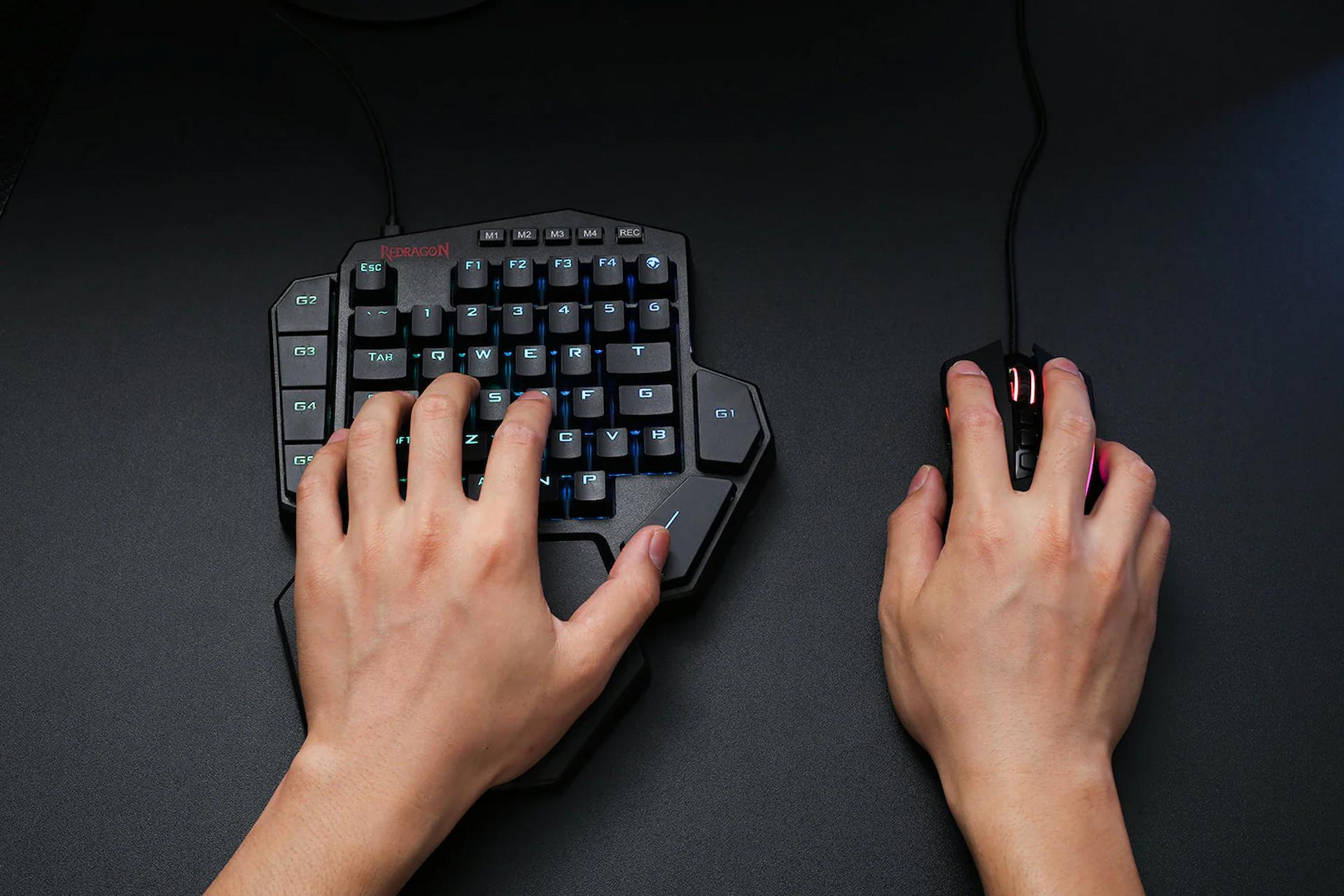
For left-handed users, standard keyboards are often treated as the default solution, yet they are rarely designed with true ergonomic balance in mind. From awkward mouse placement to repetitive strain caused by unnatural hand positioning, many left-handed professionals and students unknowingly adapt to tools that do not fully support their productivity. Choosing the right keyboard can make a remarkable difference in comfort, typing speed, and long-term efficiency. Whether you work in an office, study for hours, or simply want a more practical home setup, selecting a keyboard tailored to your dominant hand can improve both convenience and performance.
A purpose-built Left Handed Keyboard offers more than novelty—it provides a functional redesign that places key features where they feel most natural. By repositioning the numeric keypad and improving overall hand flow, these keyboards help reduce unnecessary stretching and support healthier posture. For users who spend extended periods typing, coding, writing, or managing data, this design can lead to noticeable gains in both comfort and workflow.
Why Standard Keyboards Can Be Limiting for Left-Handed Users
Traditional keyboards are generally designed around right-handed convenience, especially with the numeric keypad positioned on the right side. This often forces left-handed users to cross over or adapt inefficiently. Over time, this setup may contribute to wrist strain, desk clutter, and slower multitasking.
For example, left-handed users frequently prefer controlling the mouse with their left hand, yet a conventional keyboard can create space limitations or uncomfortable arm angles. A specialised keyboard addresses this by balancing desk ergonomics more effectively. This is particularly valuable in professional environments where repetitive motion can affect productivity.
Common frustrations include:
- Reduced desk efficiency
- Uncomfortable wrist positioning
- Slower numerical data entry
- Increased shoulder or arm tension
- Difficulty creating a truly ergonomic workspace
Understanding Different Types of Left-Handed Keyboards
Not all left-handed keyboards are identical. Some focus purely on repositioning the numeric keypad, while others incorporate advanced ergonomic features, mechanical switches, or compact layouts. Your ideal choice depends on how you work, study, or use your device daily.
For users seeking tactile precision and durability, Mechanical keyboards for left-handed can be especially appealing. Mechanical models often provide responsive keystrokes, improved longevity, and customisable features that support heavy daily use. These keyboards are particularly beneficial for writers, programmers, accountants, and students who require dependable performance.
Key options to consider:
- Full-sized keyboards with a left-side numeric keypad
- Compact layouts for smaller desks
- Mechanical switches for tactile response
- Wireless models for flexible workspace design
- Ergonomic split keyboards for advanced comfort
Choosing the Right Keyboard for Work
Professional users should prioritise productivity, durability, and ergonomic design. If your role involves spreadsheets, administration, or finance, a full-sized left-handed keyboard with a numeric keypad can significantly streamline tasks. The English UK layout is also essential for British users who need familiar punctuation, spelling conventions, and key placement.
Features to prioritise for office use:
- Comfortable wrist support
- Durable build quality
- Quiet or moderate key noise
- UK-specific layout
- Reliable wired or wireless connectivity
A well-chosen keyboard can improve workflow while also supporting long-term health, particularly for those working at a desk for extended hours.
Best Considerations for Students
Students often need flexibility. Between note-taking, essay writing, research, and online classes, a keyboard should support portability as well as comfort. Compact or wireless left-handed keyboards may suit shared spaces or smaller desks, while mechanical options can improve typing speed for coursework-heavy schedules.
Students should look for:
- Lightweight design
- Budget-friendly pricing
- Compatibility with laptops and tablets
- Easy plug-and-play setup
- Clear language, English UK layout
A keyboard that matches academic demands can help students maintain focus and reduce unnecessary distractions.
Everyday Use: Comfort Meets Convenience
For casual users, daily convenience is often the deciding factor. Whether browsing, emailing, gaming, or managing household tasks, a keyboard should feel intuitive rather than restrictive. Left-handed designs can simplify daily interaction by aligning with natural movement patterns.
Many users also benefit from quieter keyboards for shared environments or home offices. Choosing a model that suits your lifestyle ensures the keyboard becomes a helpful tool rather than a compromise.
Practical Buying Tips Before You Decide
Before purchasing, it is worth assessing your habits, workspace, and priorities. A keyboard should align with your routine rather than simply look appealing.
Important questions to ask:
- Do you need a numeric keypad?
- Is portability important?
- Would mechanical switches improve your experience?
- Is the UK layout essential?
- How much desk space do you have?
- Do you prefer wired reliability or wireless flexibility?
Testing these factors before buying can help prevent costly mistakes and ensure your investment genuinely supports your needs.
End Note
Choosing the right keyboard can transform how comfortably and efficiently you work, study, and navigate everyday tasks. A thoughtfully designed option tailored to your dominant hand can reduce strain, improve organisation, and create a more natural typing experience. By focusing on practical features, layout compatibility, and ergonomic support, you can select a keyboard that genuinely enhances your routine. Investing in the right setup today can lead to better comfort and productivity for years to come.