
 By Alexandra Harper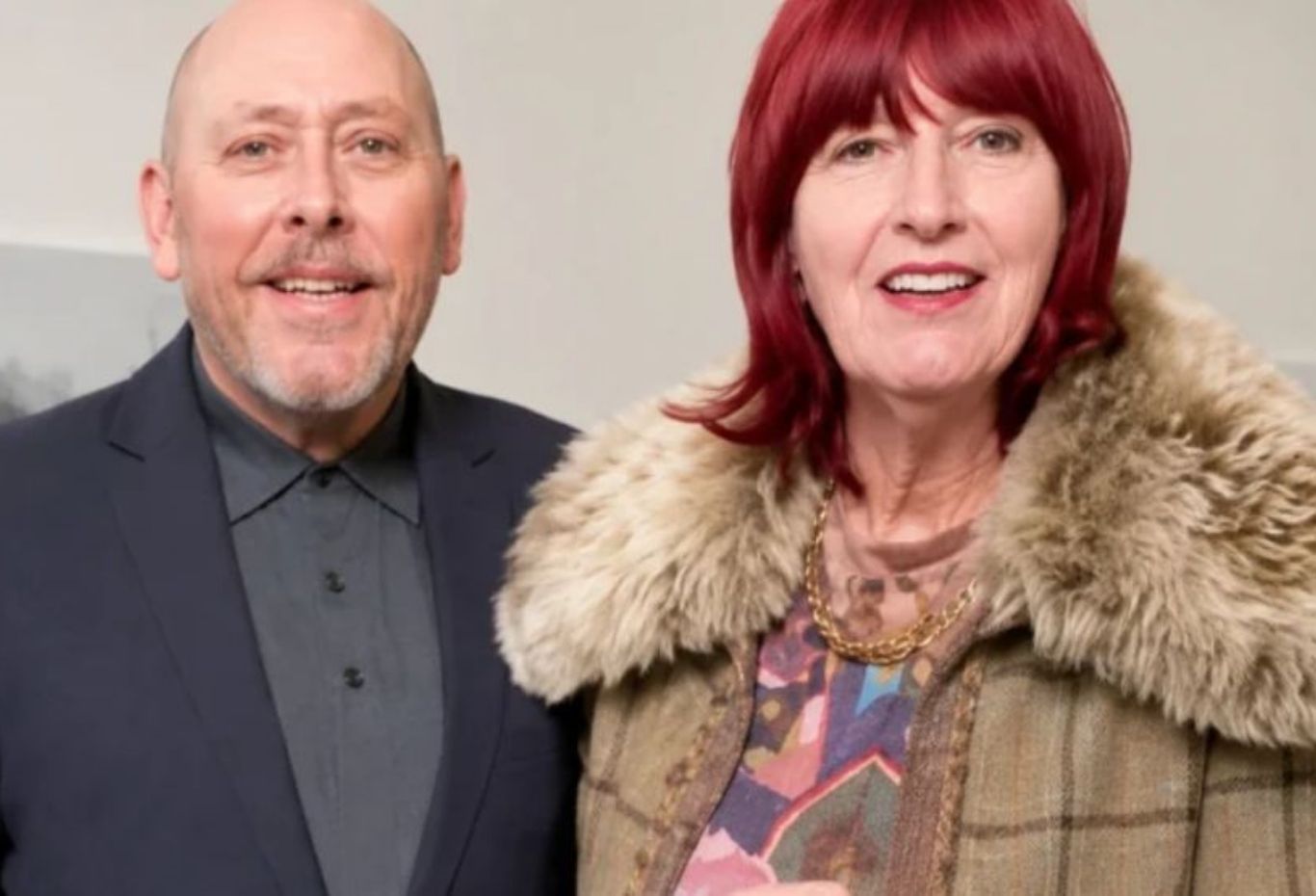
For a large portion of his life, Peter Spanton created establishments that attracted customers who wanted to remain late. That ability was important in the restaurant industry in London during the 1980s and 1990s. Food alone could not sustain a dining room for very long. Mood, timing, conversation, music, lighting, and the character of the person in charge of the space all contributed to the settings that people remembered. Through his restaurant and pub, Vic Naylor’s, Spanton became an integral part of Clerkenwell’s evolving social scene for many years.
His association with writer and broadcaster Janet Street-Porter has brought his name to the attention of many people today. After years of living largely outside of celebrity society, their extended partnership and eventual marriage forced him back into the public eye. However, Peter Spanton’s story goes much beyond his status as a husband. He created companies, overcame drunkenness, rebuilt himself in the high-end soft drink sector, and subtly contributed to a broader change in British drinking and eating habits.
Spanton has always kept a large portion of his private life secret, in contrast to prominent figures on television. This indicates that some aspects of his early life are still poorly recorded. However, there is enough solid evidence to reconstruct a life characterised by risk-taking, hospitality, recuperation, and an exceptionally keen awareness of adult socialisation.
Childhood and Family History
There are little publicly available details regarding Peter Spanton’s early years and family life. Although he is listed as British in official company documents and was born in January 1955, interviews have rarely included in-depth details about his upbringing, education, or parents. Spanton’s absence is significant since it sets him apart from several media figures whose lives have been thoroughly chronicled in newspapers and television profiles.
Based on what is known, he appears to have grown up surrounded by working-class social customs related to food and drink as well as classic London pub culture. His father’s whisky-and-dry habit and the East End drinking culture were later mentioned in material related to his beverage brand. These allusions were presented in part as product narratives, but they also alluded to the sensory factors that influenced Spanton’s preferences and beliefs around adult alcohol consumption.
The hospitality instincts that later characterised Spanton’s enterprises appeared to be more based in observation than in formal training, albeit few people are aware of this. Rather than coming from corporate restaurant groups or celebrity-chef culture, he belonged to a generation of restaurateurs who learnt via working rooms, understanding people, and reading surroundings. Throughout his career, that distinction would characterise his approach to business.
Locating a Place in the World of Restaurants in London
London’s dining culture was starting to change by the middle of the 1980s. Workshops, warehouses, and faltering commercial spaces nevertheless littered areas of the city that would eventually become trendy creative districts. Clerkenwell had not yet developed into the upscale dining district that it would eventually be recognised as.
Vic Naylor’s was established by Peter Spanton on St John Street in Clerkenwell in 1986. One of his career’s significant projects would be the venue. Since Clerkenwell had not yet drawn the concentration of media professionals, designers, and wealthy eaters that came later, it was risky to operate a chic restaurant there.
Vic Naylor’s was unique because it didn’t seem fake. Later, reports from cultural journalists and restaurant critics detailed exposed brickwork, laid-back service, and a space that prioritised individuality over formal elegance. Spanton was frequently characterised as a hands-on host who knew how to make visitors feel like they were a part of something special and partly concealed.
In actuality, eateries like Vic Naylor’s contributed to the transformation of entire neighbourhoods. Smaller independent operators established locations that attracted artists, journalists, musicians, and advertising figures to Clerkenwell prior to the arrival of huge developers and corporate hospitality firms. That early movement included Spanton’s venue.
The Creative Crowd and Vic Naylor’s
Vic Naylor’s gained a reputation over time that went beyond its culinary offerings. During the emergence of the Young British Artists generation, it came to be identified with London’s artistic environment. Numerous profiles linked the restaurant to artists associated with Britain’s controversial contemporary art scene in the 1990s, including Tracey Emin, Sarah Lucas, and the Chapman brothers.
Before becoming well-known worldwide, director and artist Sam Taylor-Wood—later known as Sam Taylor-Johnson—worked there, according to accounts from that era. These specifics are important because, instead of just adding well-known names after the fact, they situate the restaurant inside a genuine cultural moment.
Even Spanton seemed to favour casualness above exclusivity. Vic Naylor’s became well-known by word-of-mouth and reputation, in contrast to tightly regulated celebrity eateries. The ambiance was stylish without being overly controlled, a quality of hospitality that London used to excel at.
This is where things start to get interesting, though. Spanton’s personality and presence had a significant impact on the venue’s success. He was frequently characterised as personable, gregarious, and completely engaged in the life of the room by friends, journalists, and restaurant writers. Regulars were more loyal as a result of that quality, but there were personal consequences as well.
Alcohol, Overindulgence, and a Transition
In London’s nightlife culture of the 1980s and 1990s, operating pubs and restaurants frequently made it difficult to distinguish between employment and excess. Alcohol finally became a major issue for Peter Spanton. Later on, he talked candidly about how he became an alcoholic while operating Vic Naylor’s.
Years later, Spanton stated in interviews that he checked himself into The Priory in 1999 after realising his drinking had become harmful. He said that quitting drinking was one of the most difficult things he had ever done. Because he didn’t attempt to romanticise addiction or portray recovery as easy, his remarks held an exceptional level of honesty.
That pivotal moment included his friendship with Janet Street-Porter. According to Spanton, their relationship started when he was attempting to turn his life around and she urged him to get therapy. The time was crucial because abstinence made him reevaluate both his habits and the social culture in which he lived.
Surprisingly, the encounter had a direct impact on his subsequent business endeavour. Instead of abandoning hospitality entirely, Spanton developed an interest in what was truly provided to non-drinkers in pubs and restaurants. He observed that while everyone else drank wine, cocktails, and carefully chosen spirits, individuals who abstained from alcohol were typically left with sugary sodas, fruit juice, or mineral water.
A new career was born out of that frustration.
Using Adult Soft Drinks to Reinvent Himself
Spanton abandoned heavy drinking and turned his attention to high-end non-alcoholic drinks. He was attempting to make cocktails that felt sophisticated enough for adults who still desired ritual and flavour without alcohol long before the term “mindful drinking” became popular.
Peter Spanton Beverages, his beverage company, sought to provide complexity as opposed to sweetness. Rather than being marketed as conventional soft drinks, the items were more like mixers or cocktails. Spices, herbs, citrus oils, bitter notes, and botanical flavors—which were unusual in popular sodas at the time—were among the ingredients.
Beverage No. 7, an acai-based beverage created over a number of years, was one of the products that attracted early attention. In contrast to traditional soft drinks, which are consumed fast, Spanton expressed a desire for a beverage that could be sipped slowly and combined with food. According to reports, the beverage blended acai with grape, clove, and star anise to make it richer and more complex.
Sophisticated alcohol-free products were not yet widely accepted in the British drinking industry. Although there were high-end tonics, the low- and no-alcohol industry was still very modest in comparison to what it would grow into in the 2020s. Before supermarkets and international companies made significant investments in adult non-alcoholic beverages, Spanton entered the market.
Developing the Peter Spanton Brand
Spanton’s product line grew to include flavoured tonics and mixers, which demonstrated his penchant for unconventional pairings. Cardamom, cucumber, lemongrass, ginger, cocoa, mint, and bitter citrus components were among the products connected to the brand. Additionally, the brand’s retro-inspired packaging and name set it apart from mainstream soft drinks with vibrant colours.
Food writers and drink magazines took notice of the cocktails because they saw them as a component of the expanding premium mixer sector. Complexity rather than mass-market sweetness seemed appealing. In the same settings where alcohol has historically predominated, Spanton seemed interested in developing drinks that were socially acceptable.
Nevertheless, the industry continued to be somewhat specialised. Although Peter Spanton Beverages had a devoted following among some bartenders, eateries, and speciality shops, it never attained the worldwide reach of several bigger mixer brands that subsequently joined the market. Nevertheless, its presence was a reflection of shifting perceptions of Britain’s drinking culture.
Few people are aware of this, but individuals like Spanton who questioned preconceived notions about what adult beverages may be contributed to the growth of the premium mixer and alcohol-free drink movement. His goods gained a cult status among insiders in the hospitality industry since they were introduced before the category became commercially flooded.
Janet Street-Porter’s relationship
One of the most well-known facets of Peter Spanton’s life was his relationship with Janet Street-Porter. Before meeting Spanton, Street-Porter, who was well-known for her journalism, television work, and outspoken personality, had already spent decades in public life.
According to reports, their collaboration started in the late 1990s. They eventually gained recognition as a long-term couple who, in spite of their intense personalities and very visible jobs, were able to preserve stability. Although the two usually kept much of their private lives out of the public eye, Street-Porter occasionally discussed Spanton in interviews.
Contrast contributed to the public’s curiosity. While Spanton maintained a more subdued persona based on hospitality and business rather than broadcasting, Street-Porter built a career on visibility and controversy. Despite their disparate public personas, friends and profiles frequently regarded them as deeply compatible, socially involved, and highly intelligent.
After 27 years of dating, Street-Porter and Spanton announced their marriage on the ITV show Loose Women in February 2026. Because it was an unusual late-life celebrity marriage conducted with humour rather than fanfare, the announcement garnered extensive media coverage.
The wedding itself seemed purposefully understated. Reports were less about celebrity antics and more about the love and length of the partnership. In addition to introducing Spanton to audiences who had never heard of his career in restaurants or drinks, the marriage piqued the interest of numerous readers.
Financial Concerns and Business Interests
Questions about Peter Spanton’s wealth and financial situation are frequently found in searches pertaining to him. However, there are still few trustworthy public people. Spanton has not disclosed comprehensive personal financial details, in contrast to prominent public company executives or celebrities in the entertainment industry.
His involvement in companies related to hospitality and beverages, such as Peter Spanton Drinks Ltd., is confirmed by Companies House documents. These documents demonstrate actual business activity, but they don’t give a full picture of his private interests or personal fortune.
Speculative net worth estimates are published on several entertainment websites, however many of those numbers are unsourced and should be regarded with caution. In actuality, independent hospitality companies can have times of high revenue while simultaneously bearing significant operational expenses and financial dangers.
In actuality, Spanton’s popularity stems more from his cultural influence in the hospitality and beverage industries than from his obvious wealth. His reputation is based less on corporate scale and more on taste, uniqueness, and survival.
Public Image and Character
People who worked with Peter Spanton frequently characterised him as fashionable, opinionated, and socially astute. Authenticity and environment seemed to be more important to him than strict commercial formulas. Vic Naylor’s and his beverage endeavours were defined in part by that mindset.
His narrative also has a more subdued emotional undertone that is connected to healing and rebirth. After facing alcoholism, Spanton did not vanish. Rather, he turned his experience into a fresh perspective on how adults congregate socially without solely depending on booze.
That change today appears more contemporary than it did at the time. Over the past ten years, there has been a noticeable shift in Britain’s attitude about drinking, with increased demand for high-end alcohol-free products and more candid conversations about sobriety. Years before it became commercially popular, Spanton joined that discussion.
Though generally indirectly, his relationship with Street-Porter also influenced his public persona. Rather from being a celebrity-seeking individual, he was frequently portrayed as a stabilising force in her life. That impression was reinforced by how long their connection lasted.
Private Life and Unknowns
A significant portion of Peter Spanton’s private life is still unrecorded, despite sporadic media coverage. Children, extended relatives, education, and past relationships have either not been extensively publicised or have been purposefully kept confidential.
In a time when many public people use social media and broadcast appearances to reveal every aspect of their personal life, this restraint is uncommon. Spanton is more in line with an earlier type of hospitality personality, one who is recognised through events, discussions, and reputation as opposed to frequent public self-disclosure.
Additionally, there isn’t much proof that he deliberately pursued fame. Even at the height of Vic Naylor’s fame, the restaurant continued to receive more attention than Spanton’s rise to fame on television or as a lifestyle brand.
The way his biography must be viewed has been influenced by his privacy. His enterprises, relationships, and public pronouncements can all be documented in a responsible profile, but it shouldn’t fill in any blanks with conjecture.
Legacy and Cultural Influence
In the history of British culture, Peter Spanton holds a unique position. Although he was never a well-known celebrity, his work influenced a number of significant changes in drinking culture, hospitality, and urban living.
Vic Naylor’s was part of a time when, before to the arrival of corporate hospitality firms, individual eateries contributed to the redefining of London neighbourhoods. The location was linked to media personalities, artists, and the growth of Clerkenwell as a social hub.
His beverage company saw a far greater trend toward high-end non-alcoholic drinks. These days, sophisticated alcohol-free mixers and cocktails are frequently served in pubs and restaurants. Those choices were much less prevalent in the early years of Peter Spanton Beverages.
Additionally, there is a personal legacy associated with reinvention and survival. Spanton’s life serves as an example of how someone with a strong connection to the drinking culture could give up alcohol without completely giving up hospitality, enjoyment, or social interaction. His latter work was unusually credible because of this viewpoint.
Peter Spanton’s Current Location
As of 2026, Peter Spanton’s marriage to Janet Street-Porter and his previous business endeavours in the hospitality and beverage industries continue to make him the most well-known public figure. Although the brand and its products are still mentioned online, public company documents indicate that Peter Spanton Drinks Ltd. was dissolved in 2022.
Compared to many persons associated with television celebrities, he seems to have a much more private life. The announcement of the marriage has received more media attention recently than new business ventures or public appearances.
Nevertheless, his impact can still be seen in more subdued forms. Vic Naylor’s and other personality-driven places are still valued in London’s hospitality culture, and the market for high-end non-alcoholic drinks has expanded significantly since Spanton first entered it.
Surprisingly, many of his concepts now appear so modern. Years after he started working in those areas, adult soft drinks, sober socialising, and neighborhood-driven hospitality have all grown to be significant cultural discussions.
Common Questions
Peter Spanton: Who is he?
British restaurateur and beverage entrepreneur Peter Spanton is most known for starting Vic Naylor’s in Clerkenwell and then developing the Peter Spanton line of high-end mixers and soft drinks. He is also well-known for being the spouse of journalist and broadcaster Janet Street-Porter.
What is Peter Spanton’s age?
Peter Spanton was born in January 1955, according to public corporate records. Although his precise birthdate has not been generally disclosed, this indicates that he turned 71 in 2026.
Vic Naylor had what?
In 1986, Peter Spanton opened Vic Naylor’s, a restaurant and pub in Clerkenwell, London. The venue developed recognition for its laid-back vibe and fashionable customers, and it became linked to London’s media and creative community.
Is Janet Street-Porter the spouse of Peter Spanton?
Indeed. After 27 years of dating, Janet Street-Porter and Peter Spanton announced their marriage in February 2026. Before the announcement of their marriage, their connection had been well-known to the public for many years.
Was drunkenness a problem for Peter Spanton?
During his years managing bars and restaurants, Peter Spanton has openly discussed how he became an alcoholic. Later, in 1999, he sought treatment at The Priory and achieved sobriety; this experience had a significant impact on his subsequent beverage business.