
 By Alexandra Harper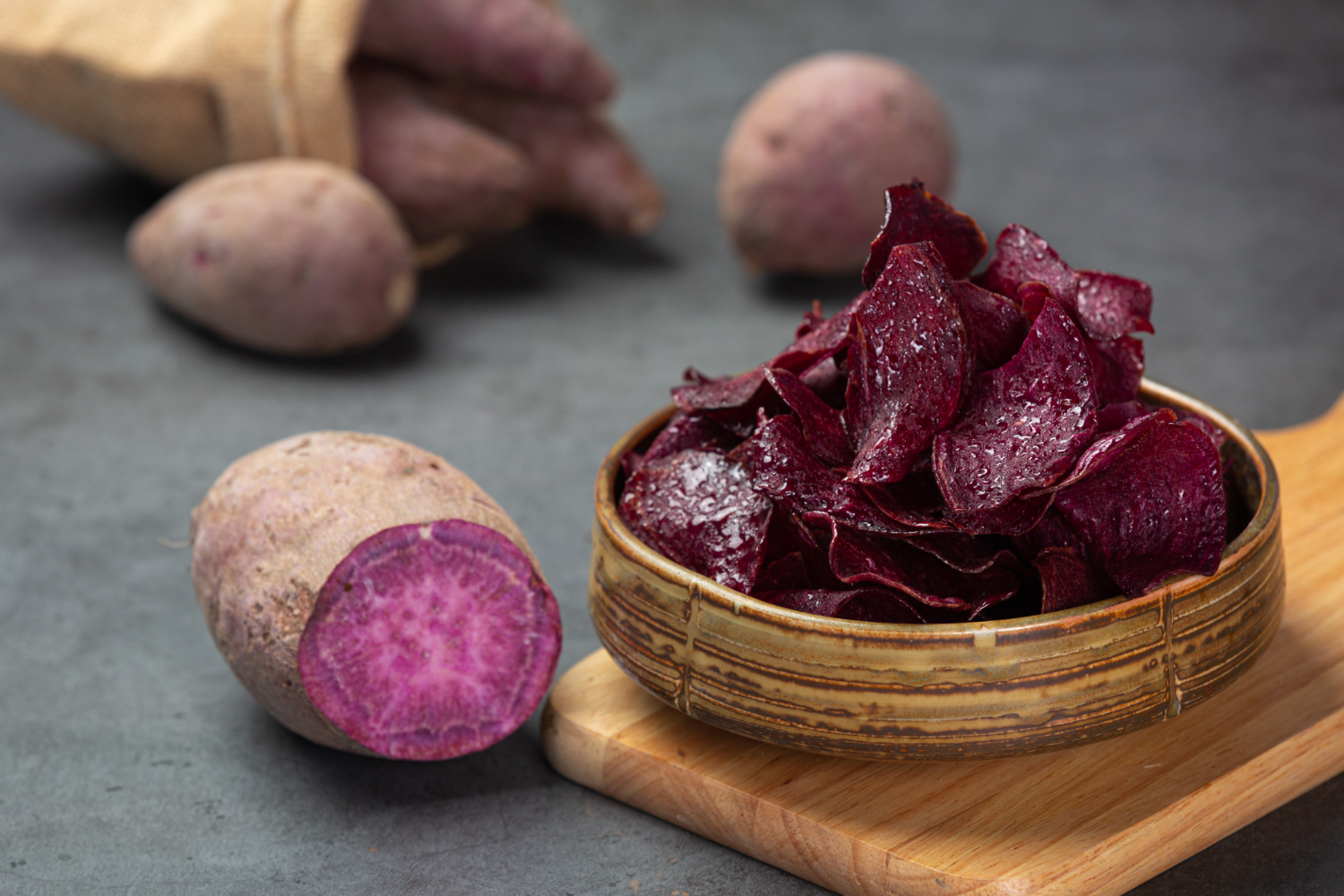
Purple yam and ube are typically thought of as two different foods, however the difference is considerably smaller than most people realize. Ube is the Filipino term most usually used for Dioscorea alata, a kind of yam whose flesh can range from pale lavender to an intense violet-purple. In practical culinary terms, when people talk about real Filipino ube, they are usually talking about this particular purple yam.
The misconception is caused by the fact that a number of unrelated root vegetables can also have purple flesh. Some types of taro, Okinawan sweet potatoes and purple sweet potatoes may resemble similar when processed or baked into desserts. Botanically, however, they are separate plants. Nor, are their textures, flavors and nutritional profiles the same. Color alone is a lousy way to determine what’s really on your plate.
To shoppers and home chefs, the language is a little like a bunch of highways that are the same color on a map but go to different places. Most products that are branded ube purple yam are referring to the plant Dioscorea alata or an ingredient derived from it, although it can be helpful to verify the ingredient list when buying powders, extracts, jams or dessert mixes. Once you know what real ube is, it will be easy to identify its flavor, use it right and separate it from other violet-colored tubers.
Are ube and purple yam the same thing?
Yes, with one key exception. Ube is a purple yam although “purple yam” is frequently informally used to refer to various purple tubers in stores, recipes and internet conversations. When people say authentic ube , they usually mean Dioscorea alata , a real yam ( Dioscoreaceae family ) .
Part of the problem is the word “yam” itself. True yams and sweet potatoes are botanically different, yet the term is sometimes used in ordinary English to refer to sweet potatoes. Ube is a member of the Dioscorea genus while sweet potatoes belong to the Ipomea genus. This is not a question of scientific nomenclature alone. The plants develop distinct textures, smells and gastronomic qualities.
Dioscorea alata is grown across the tropics, especially in South East Asia, the Pacific and parts of Africa. It is closely related to Filipino cuisine, where ube has been used for a long time in sweets like ube halaya, cakes, pastries and frozen desserts.
Purple flesh isn’t always a showstopper. Some kinds are dark violet, some are paler, or striped with white. This natural diversity is important since commercial treats are typically artificially colored, and thus consumers expect every fresh ube tuber to have a really brilliant purple interior.
How do you differentiate ube from a purple sweet potato?
The purple yam is most easily confused with the purple sweet potato. Both are starchy, both can have brightly colored flesh, and both show up in desserts. However , they are not the same vegetable and there are apparent differences once you know what to look for .
Appearance and texture are good signals.
Fresh ube has a rough, bumpy outer skin, similar to the bark-like exterior of many real yams. The tuber may be elongated, cylindrical or irregularly shaped depending on the variety and growing conditions. When cut open the flesh may be white with purple specks, lavender or a pronounced violet.
A purple sweet potato will typically appear more like a normal sweet potato. Its skin tends to be thinner and smoother, however appearance varies between cultivars. For example, Okinawan sweet potatoes are frequently pale or lightly pigmented with purple around them.
The distinction becomes most obvious when they are cooked. Ube is normally thick and starchy when cooked but can become creamy when mashed. Purple sweet potatoes tend to be drier and denser in texture, especially if they are a high-starch variety.
Neither visual cue is totally foolproof. Agriculture creates natural variety and processed products lose most identifiable features. If you buy packaged powder or puree, the botanical name or description of the ingredient is a better response than color.
The taste is not exactly the same
Ube has a naturally sweet flavor with a unique aroma often characterized as slightly nutty, earthy and vanilla-like. The flavor is mild, rather than excessively sugary. A lot of the strong “ube flavor” you taste in commercial cakes and drinks can be coming from concentrated extracts, sugar and additional flavorings, and not from the tuber itself.
Purple sweet potatoes taste closer to the sweet potatoes you know. They might be sweet and earthy, but they usually don’t have that signature aromatic character associated with traditional Filipino ube. The difference is particularly visible in simple dishes when the tuber is steamed or boiled with not many other ingredients.
It’s why you can substitute a purple sweet potato for ube and have a dessert with the right hue without tasting exactly the same. The substitute may still be structurally sound for some recipes, but the end product will taste different.
Taro is easy to recognize by taste. It’s usually a little more neutral, a little nutty and often a lot paler inside. Just because a finished drink or dessert is violet doesn’t automatically make purple-speckled taro ube.
Nutritional profile of purple yam
Fresh purple yam is a carbohydrate heavy starchy vegetable. Like other yams it delivers energy mostly from complex carbs but also contains dietary fiber and modest levels of protein. Its precise nutritional makeup depends on the variety and soil type, maturity and cooking method.
Ube also has various minerals like potassium and vitamin C. These nutrients contribute to appropriate physiological activities when consumed as part of a diversified diet. Thus fresh ube should be regarded more like any other nutritious root vegetable, not as a concentrated supplement or wonder meal.
From the point of view of nutrition, its purple coloring is of particular importance. Anthocyanin pigments, which are chemicals in the larger polyphenol family, contribute mainly to the violet color. You also find anthocyanins in foods such as blueberries, blackberries, purple cabbage, and black rice.
These chemicals exhibited antioxidant activity in vitro. That doesn’t mean consuming ube will prevent or treat a certain ailment. “Human health is determined by overall dietary patterns, lifestyle, genetics and many other factors. The best practical argument for including purple yam in the diet is simply that it can bring diversity, fiber, carbs and plant chemicals.
Ube is not automatically healthy.
Much relies on how it is prepared. Fresh cooked ube and an ube-flavored milkshake are nutritionally quite different dishes even if they may have the same ingredient in their name.
Purple yam can be steamed, boiled or baked and will easily fit into a balanced dinner. It can be a source of carbs with your vegetables and your protein. Its fiber level may also help the meal be more satiating than highly refined carbohydrate items.
Sugar, condensed milk, coconut milk, butter or cream are typically paired with the yam in traditional and commercial ube desserts. These ingredients give the rich texture and flavor that makes ube desserts so famous, but they also boost the sugar and energy density. Not even the presence of purple yam cancels that out.
The same goes for ube powders and drink mixtures. Pure dehydrated yam powder is considerably different from sweetened instant coffee mix with sugar, flavoring and coloring. The most straightforward approach to know what you are truly getting is to read the ingredient list.
How to Cook Purple Yam
Fresh ube is often boiled before consumption. It is not often considered a raw snack vegetable, as are many real yams. When cooked, it has an enhanced texture and can be used in savory and sweet dishes.
Two of the easiest methods are boiling and steaming. Once tender, the meat can be mashed and added to cakes, breads, pancakes, fillings or traditional dishes. If you want a firmer, slightly drier texture, baking is another option.
Ube halaya is one of the most recognizable Filipino preparations. It is a sweet purple yam jam or pudding that is traditionally produced by boiling mashed ube with ingredients like milk and sugar until the mixture is thick and creamy. Ube halaya can be consumed on its own or as an ingredient in pastries and sweets.
Powdered ube is more convenient when fresh tubers are not available. Some powders are manufactured from dehydrated purple yam and require rehydration before use. Others are formulated substances with other ingredients. Ube extract is a different story. It is used mostly to enhance the flavor and color of ube, not the texture and nutritional qualities of the whole root.”
Some ube is so much brighter than the fresh yam. Why?
Natural ube can be stunningly purple, but the near neon violet of some ice creams, pastries and bubble teas is not always the work of the tuber alone. Commercial versions may add ube extract, seasoning, or food coloring to make them look the same each time.
That doesn’t always mean the product is free of real ube. Manufacturers may mix the real yam with flavoring to make up for natural variances between harvests. The agricultural ingredients are quite fresh and variable, yet consumers expect to see the same bright purple color every time they buy an ube dish.
Therefore, color should not be regarded as a measure of nutritional quality. A pale homemade concoction of mostly real yam can have more true ube in it than a bright purple drink that has only a little bit of it.
In the case of packaged foods, the tale is clearer through ingredients than appearance. If you’re looking for something that actually has the tuber, look for phrases like purple yam, ube or Dioscorea alata.
Not all purple root vegetables can be swapped for ube
Ube, purple sweet potato and taro can sometimes fill similar culinary niches, but it’s a disservice to cause confusion by considering them as interchangeable ingredients. Dioscorea alata (ube) is a real yam with a unique mild, aromatic flavor. Purple sweet potatoes are in a separate botanical family and usually taste more like regular sweet potatoes. Taro is yet another different species with different texture and flavor.
The difference is most important when a dish relies largely on true ube taste. You may try substituting some other purple tuber to keep the look and the starchiness but vary the flavor. The substitution may be less apparent in recipes where scent is less important than color.
All of these foods can be good sources of beneficial carbs, fiber and micronutrients from a nutritional standpoint. No one should be considered a superfood. The general form of the meal, the portion size, the way it is prepared, and the rest of the diet are more important.
So ube and purple yam are the same ingredient? If purple yam is Dioscorea alata, then sure. Ube is the name that comes to mind first in Filipino food culture when thinking about this particular yam. The mistake starts when the term is applied to unrelated purple sweet potatoes or other violet colored roots.