
 By Mike Willson
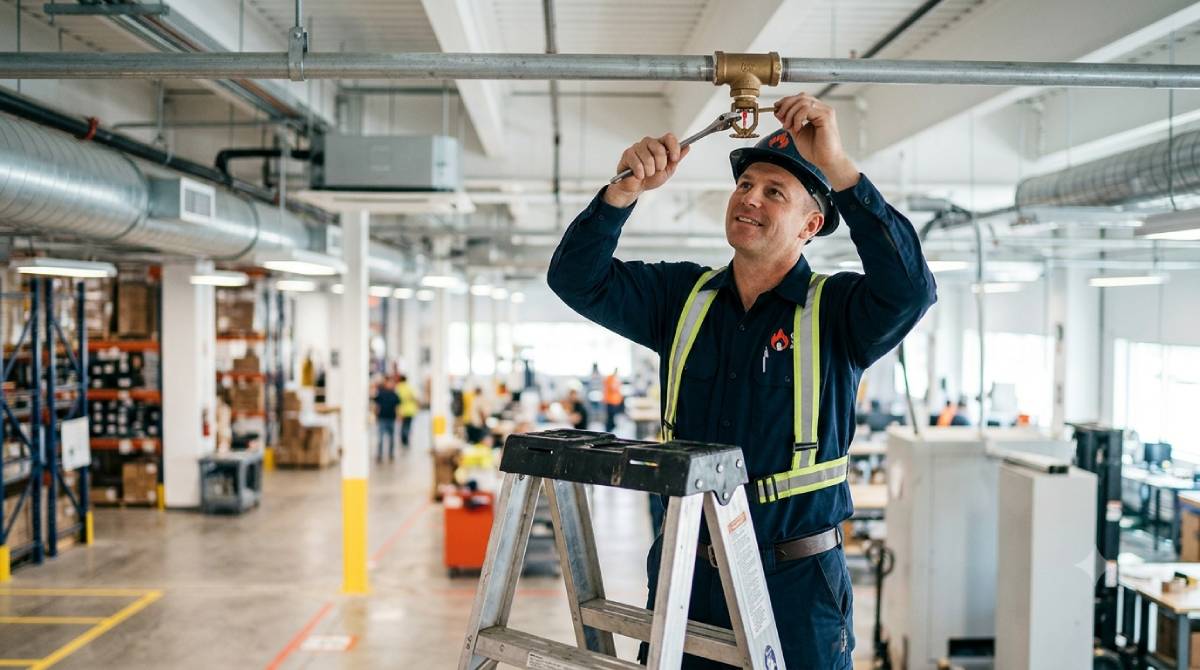
Fire sprinkler systems are designed to provide dependable protection for many years, but their performance shouldn’t be taken for granted just because they remain installed in a building. Components age, face environmental exposure, and experience changes in operating conditions, while faults may develop without being immediately visible. Professional Fire Sprinkler Servicing helps organisations monitor system condition, identify deterioration and maintain the equipment required for an effective fire response. By combining regular inspection, appropriate testing and timely corrective maintenance, building managers can support the long-term reliability of their sprinkler installations.
Why Long-Term Performance Requires Attention
A fire sprinkler system may remain inactive for extended periods because its primary purpose is to respond when a fire occurs.
This does not mean the system is unaffected by time. Water supplies, valves, pipework, sprinkler heads, and associated equipment can deteriorate or change operationally.
Because the system may not be called upon during everyday building operations, routine inspection and testing are particularly important for identifying faults before an emergency.
Understanding the Main System Components
Sprinkler installations contain interconnected components that must operate together to deliver the intended protection.
Sprinkler heads respond to heat, while pipework distributes water from the supply to the protected areas. Control valves regulate water flow, and some installations include pumps, storage tanks and monitoring equipment.
Each component’s maintenance requirements depend on the system design and applicable inspection and testing procedures.
Monitoring Equipment Condition
Long-term servicing provides opportunities to identify visible deterioration and unusual operating conditions.
Corrosion, leakage, mechanical damage, contamination and wear may affect different parts of an installation. Routine visual inspections can identify some problems, while others require specific tests or more detailed investigation.
Monitoring condition over time can help maintenance teams recognise recurring issues and determine when corrective work is necessary.
Maintaining Water Supply Reliability
A sprinkler system’s performance depends on its ability to deliver an adequate water supply.
Depending on the installation, this may involve mains water, storage tanks, pumps and associated control equipment.
Professional servicing can include checks and tests to identify problems that affect the availability or performance of the water supply. Any concerns should be investigated in accordance with the system’s maintenance requirements.
The Importance of Control Valves
Control valves are essential because they determine whether water can reach the sprinkler installation.
A closed, damaged, or incorrectly positioned valve can affect the availability of protection. Appropriate inspection and monitoring help reduce the risk of these conditions going unnoticed.
Servicing also provides opportunities to check accessible valve components and identify maintenance requirements.
Managing Corrosion and Pipework Deterioration
Pipework can corrode or deteriorate in other ways, depending on the system type, materials, and operating environment.
External corrosion may be visible during inspections, while internal conditions can require specialist assessment where concerns arise.
Identifying deterioration matters because pipework condition can affect water delivery and system reliability. Undertake appropriate investigation and remedial work where defects are suspected.
Checking Sprinkler Head Condition
Sprinkler heads are designed to activate under specified thermal conditions, but damage, inappropriate alterations, or unsuitable surrounding conditions may compromise their effectiveness.
Paint, accumulated deposits, physical impact and obstructions can all create concerns.
Routine inspections help identify visible problems and determine whether replacement, further assessment or other corrective action is required.
Maintaining Pumps and Associated Equipment
Some sprinkler systems rely on pumps to provide the required water pressure and flow.
These installations may require specific inspection and testing activities to assess pump readiness and associated components.
Maintenance should follow the relevant system requirements and manufacturer guidance. If abnormalities are detected, specialist investigation can help determine the cause.
The Role of Planned Testing
Visual inspections provide valuable information, but they cannot establish every aspect of system performance.
Relevant testing procedures help assess specific components or functions based on the system type and applicable maintenance schedule.
Testing must be carried out correctly because inappropriate procedures can create operational risks or affect system availability. Competent personnel should manage these activities and any necessary temporary precautions.
Identifying Recurring Problems
A single maintenance report describes the system at a specific point in time. Records collected over several years can reveal broader patterns.
Repeated leakage, valve issues, corrosion, or equipment faults may indicate the need for further investigation.
Reviewing maintenance history helps organisations distinguish isolated defects from recurring conditions that could justify more extensive corrective action.
Planning Component Replacement
Not every sprinkler component will remain suitable for use indefinitely.
Age, condition, environmental exposure, testing outcomes and applicable requirements may influence when components need replacement or further assessment.
A planned approach allows building managers to consider these requirements in advance rather than relying entirely on emergency repairs.
Supporting Changes to Building Operations
Building use can change significantly during the lifespan of a sprinkler installation.
Alterations to layouts, storage arrangements, occupancy or operational activities may affect the original design assumptions.
Professional maintenance personnel can identify visible changes or concerns, but significant modifications may require a separate review by an appropriately competent sprinkler designer or engineer.
The Value of Consistent Maintenance Records
Accurate documentation supports long-term system management.
Inspection reports, test results, repair histories, and alteration records provide useful information when assessing system condition.
Maintaining these records also helps ensure continuity when contractors, facilities managers or building owners change.
Frequently Asked Questions (FAQs) About Long-Term Fire Sprinkler Performance
Can fire sprinkler systems deteriorate over time?
Yes. Components can corrode, sustain damage, become contaminated, and deteriorate in other ways. Routine inspections and testing help identify conditions that may affect system performance.
Does regular servicing extend the sprinkler system’s lifespan
Proper maintenance can help preserve system condition and identify problems that need attention. Actual service life depends on equipment condition, installation quality, environmental exposure and other factors.
Why are sprinkler water supplies tested?
Relevant tests assess water supply performance and identify potential problems that could affect the system’s ability to deliver water as intended.
What happens if sprinkler components become damaged?
Competent personnel should assess damaged or unsuitable components. Repairs or replacement may be necessary depending on the defect and applicable system requirements.
Why should maintenance records be retained?
Records provide a history of inspections, testing, identified faults and corrective work. They help building managers monitor system condition and plan future maintenance.
Conclusion
Long-term sprinkler performance depends on more than the quality of the original installation. Water supplies, valves, pipework, sprinkler heads and associated equipment need appropriate inspection, testing and maintenance throughout the system’s operational life.
Professional servicing helps organisations identify deterioration, monitor recurring problems and arrange corrective work before defects become more serious. Combined with accurate records and periodic reviews of building changes, a structured maintenance programme can support the continued reliability of essential fire protection equipment.